 Business License

Sustainability and Energy Efficiency in Modern Rock Breaking
Sustainability and Energy Efficiency in Modern Rock Breaking
How Pedestal Rock Breaker Boom Systems Support Greener and Smarter Crushing Operations
Sustainability is no longer a future goal in mining and aggregate operations—it is a present-day requirement. Rising energy costs, stricter environmental regulations, and growing ESG expectations are pushing operators to rethink how material handling and rock breaking are performed.
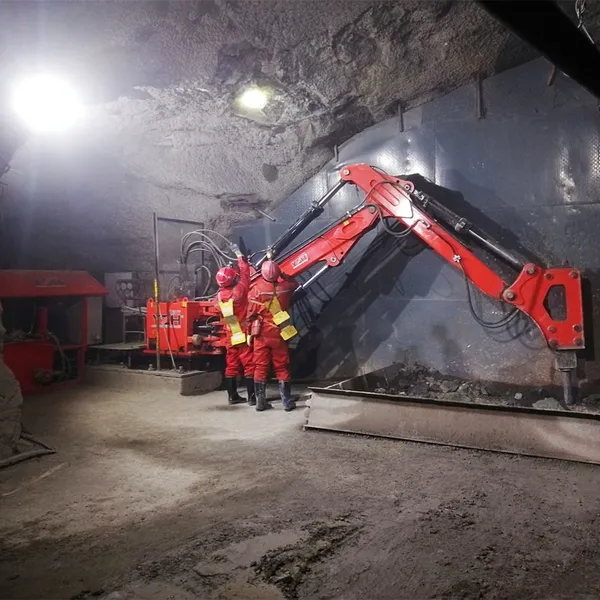
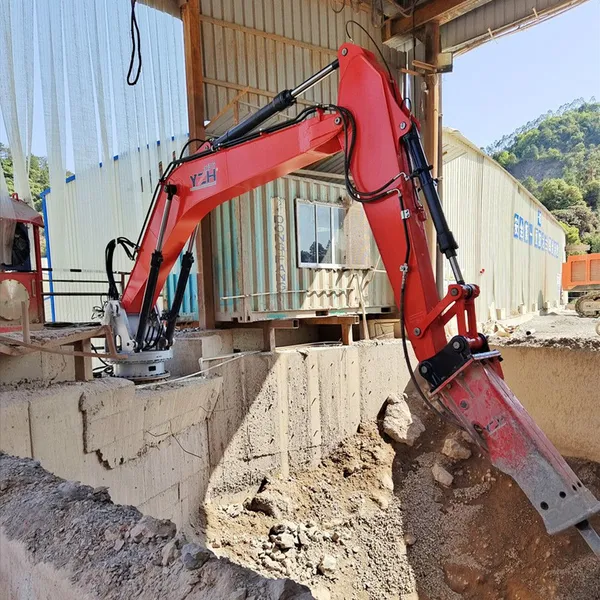
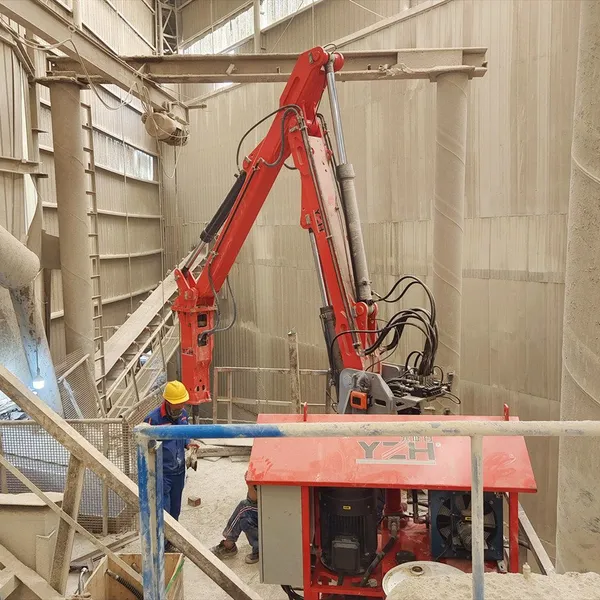
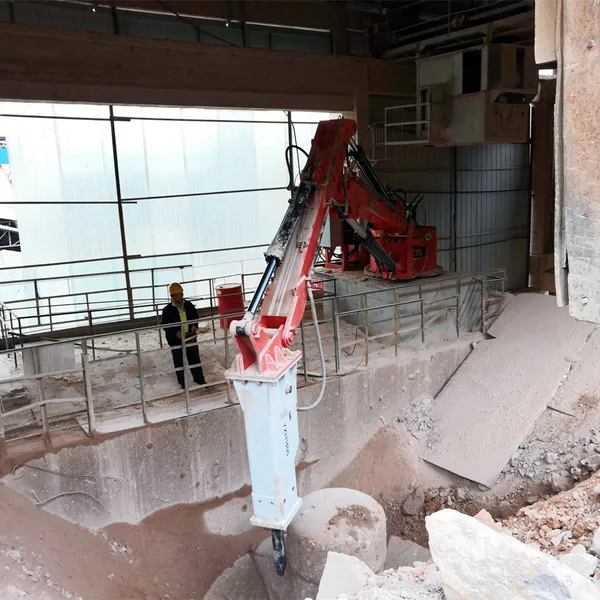
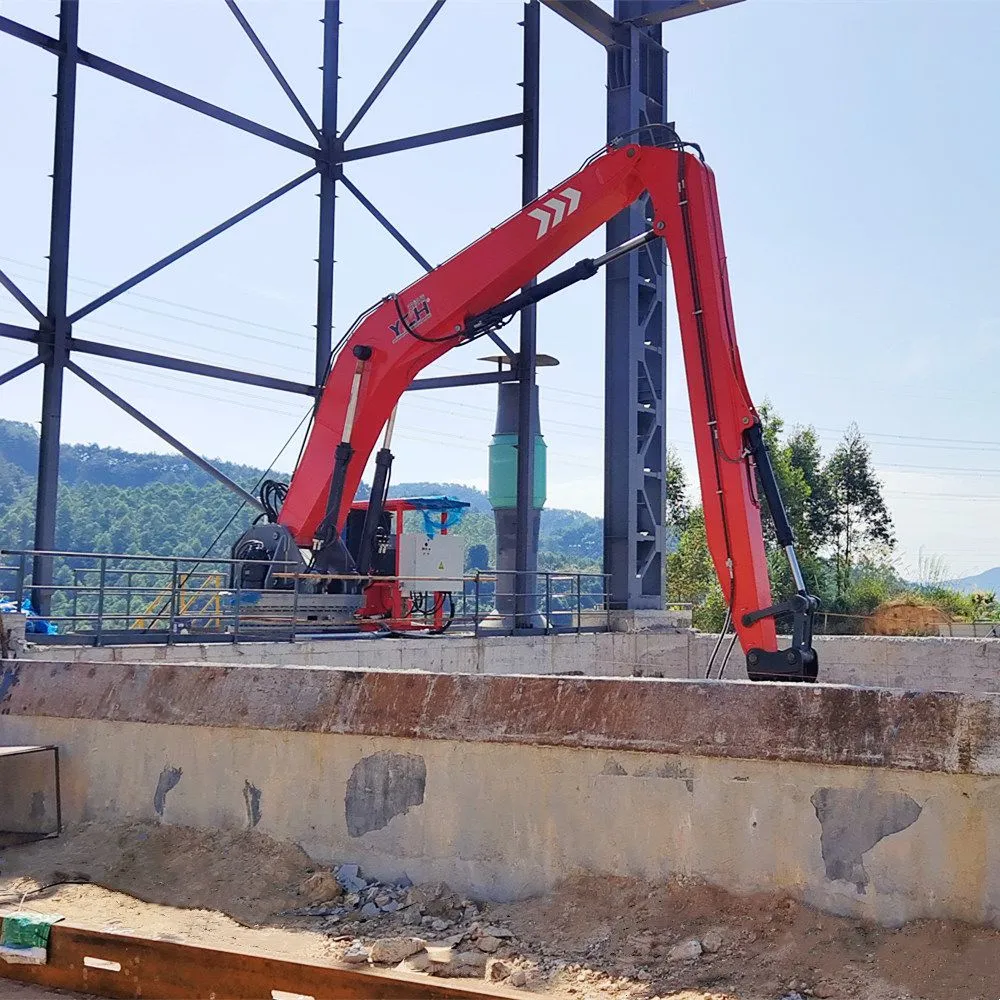
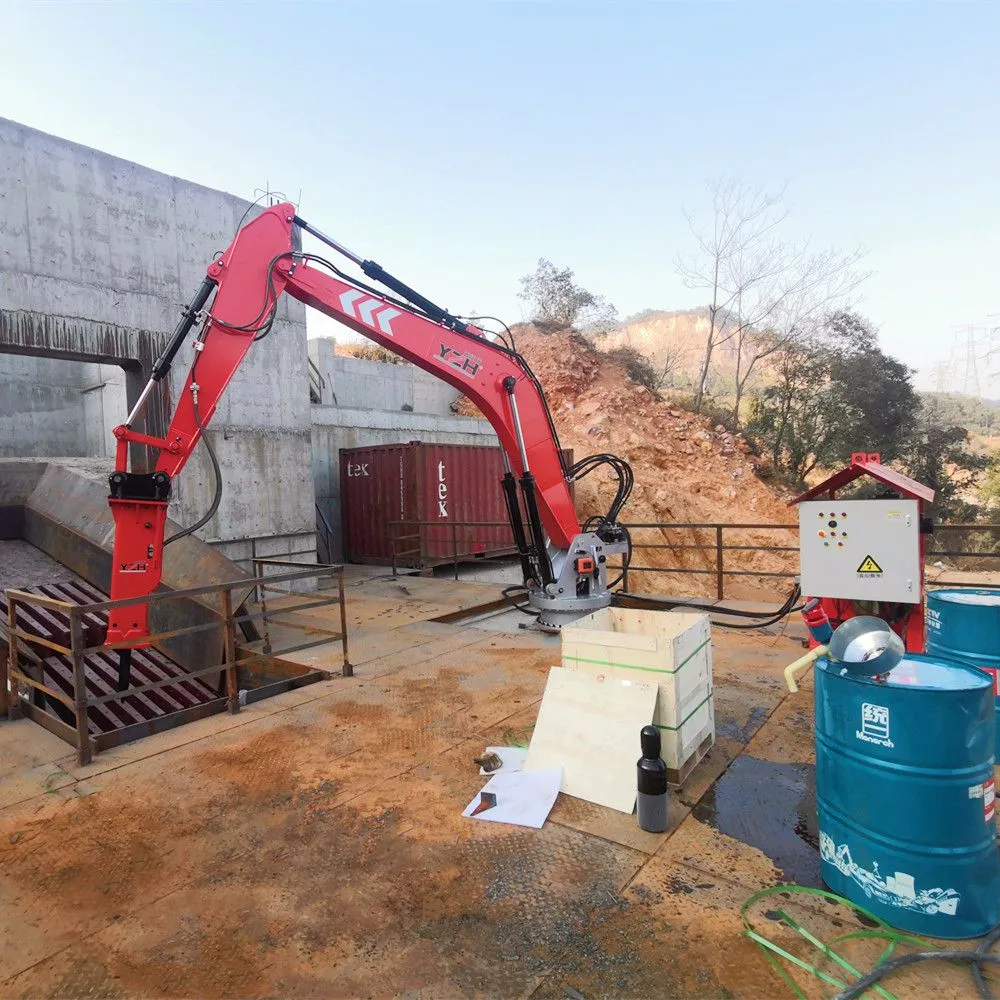
Modern pedestal rock breaker boom systems play a critical role in this transition. By improving energy efficiency, reducing waste, and enabling smarter operation, they help crushing plants achieve higher productivity with a lower environmental footprint.
The Energy Challenge in Rock Breaking Operations
Rock breaking is inherently energy-intensive. Oversized material, blockages, and inefficient breaking methods can lead to:
1. Excessive energy consumption
2. Repeated crusher starts and stops
3. Increased wear and wasted material
4. Higher emissions from extended operating hours
Sustainable rock breaking is not about reducing output—it is about using energy more intelligently to achieve the same or better results.
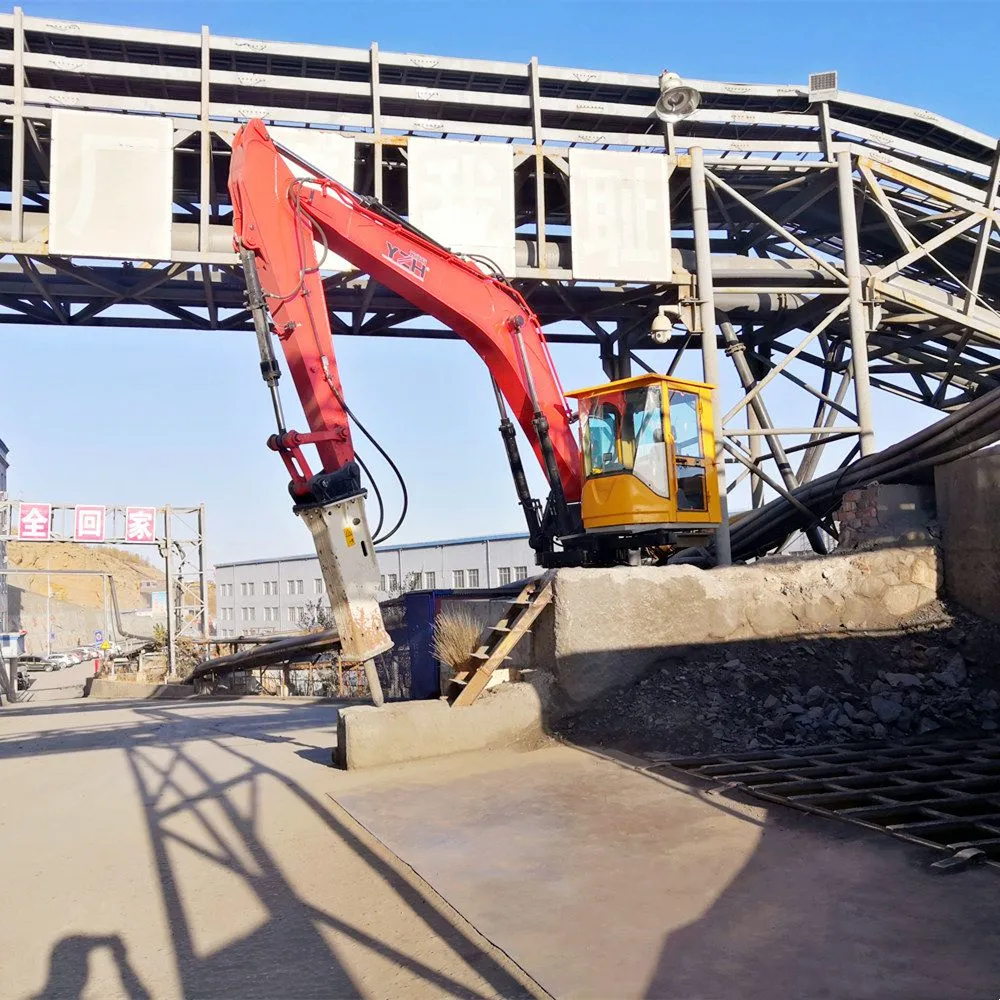
Controlled Breaking Reduces Energy Waste
One of the most important sustainability advantages of pedestal rock breaker boom systems is controlled, targeted breaking.
Instead of forcing oversized rocks through crushers or relying on repeated restarts, the boom system allows operators to:
1. Break material precisely where resistance occurs
2. Avoid unnecessary crusher overload
3. Maintain stable feed flow
This reduces wasted energy caused by mechanical stress, inefficient crushing cycles, and unplanned downtime.
Energy-Efficient Hydraulic System Design
Modern pedestal rock breaker systems are engineered with efficiency in mind.
Key features include:
1. Optimized hydraulic flow and pressure matching
2. High-efficiency hydraulic power units
3. Reduced internal losses and heat generation
By delivering energy only where and when it is needed, the system minimizes unnecessary power consumption while maintaining high breaking performance.
Minimizing Downtime Means Lower Emissions
Every minute of downtime has a hidden environmental cost. Restarting crushers, idling equipment, and reprocessing material all increase fuel or electricity usage.
Real-time blockage handling with a pedestal boom system:
1. Keeps crushers running continuously
2. Prevents energy spikes caused by forced restarts
3. Stabilizes overall plant energy demand
A smoother process flow directly translates into lower emissions per ton of material processed.
Radio Remote Control System Enables Smarter Operation
Radio remote control system is not just a safety feature—it is also an efficiency tool.
By allowing operators to position themselves optimally:
1. Breaking actions become more precise
2. Fewer unnecessary hammer strikes are applied
3. Material is processed faster with less energy input
Precision reduces wasted motion, wasted impact, and wasted power.
Extending Equipment Life Supports Sustainability
Sustainability is closely linked to equipment longevity. Premature wear leads to frequent part replacement, increased manufacturing demand, and higher resource consumption.
Pedestal rock breaker boom systems contribute by:
1. Reducing shock loads on crushers and structures
2. Minimizing liner and component wear
3. Supporting preventive maintenance strategies
Longer service life means fewer replacements, less material waste, and a lower lifecycle environmental impact.
Supporting ESG and Regulatory Goals
As environmental reporting and compliance requirements increase, operators need practical solutions—not theoretical commitments.
Energy-efficient rock breaking systems help:
1. Reduce energy consumption per ton
2. Improve operational transparency and predictability
3. Align daily operations with sustainability targets
These improvements support both regulatory compliance and corporate sustainability initiatives.
Sustainability Without Compromising Productivity
Perhaps the most important advantage is that sustainable rock breaking does not require sacrificing performance.
Modern pedestal rock breaker boom systems enable:
1. High throughput
2. Continuous operation
3. Reduced operational risk
Efficiency and sustainability reinforce each other when systems are designed and operated correctly.
Final Thought
Sustainability in rock breaking is not achieved through limitation—but through smarter engineering, controlled operation, and efficient energy use. Pedestal rock breaker boom systems represent a practical step toward greener, more responsible crushing operations without compromising productivity or reliability.
Recently Posted
-
Training Operators for Maximum Efficiency and Safety
February 6, 2026Training Operators for Maximum Efficiency and Safety Why Skill, Not Just Equipment, Determines Rock Breaking PerformanceIn cr Read More
 -
Downtime Cost Analysis: Manual vs. Mechanized Rock Breaking
January 30, 2026Downtime Cost Analysis: Manual vs. Mechanized Rock Breaking Understanding the True Cost of Crusher BlockagesIn crushing opera Read More
 -
Eliminating Manual Intervention Around Crushers
January 29, 2026Eliminating Manual Intervention Around CrushersReducing Human Exposure in High-Risk ZonesIn crushing operations, the most dangerou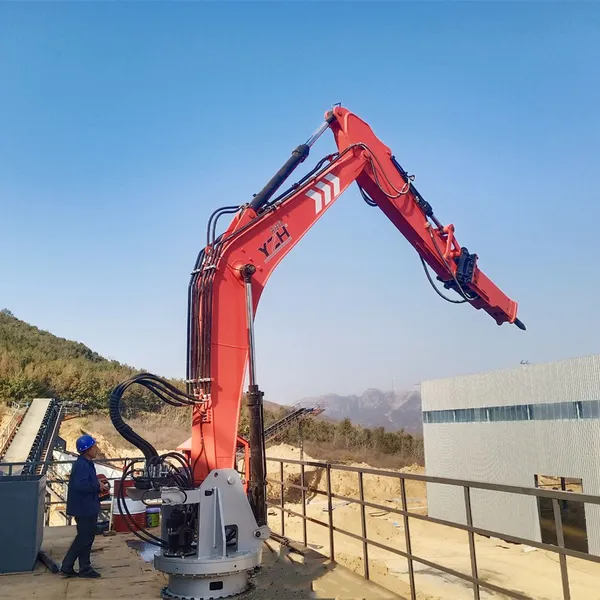 Read More
 -
Protecting Crushers from Structural Damage Caused by Blockages
January 27, 2026Protecting Crushers from Structural Damage Caused by BlockagesHow a Rock Breaker Boom System Safeguards Your Crushing EquipmentCru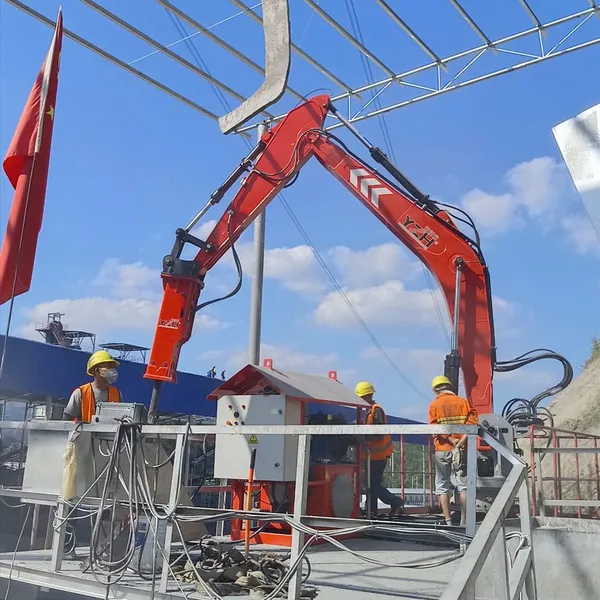 Read More

Contact Us
Recommended Products
-
 YZH Stationary Rock Breaker SystemUS$ 40000 - 80000MOQ: 1 Set
 -
Pedestal Rockbreaker SystemUS$ 40000 - 80000MOQ: 1 Set
-
Stationary Rock Breaker Boom SystemUS$ 40000 - 80000MOQ: 1 Set
-
Pedestal Rock Breaker Boom SystemUS$ 40000 - 80000MOQ: 1 Set
-
Fixed Rock Breaker Boom SystemUS$ 40000 - 80000MOQ: 1 Set