 Business License

Protecting Crushers from Structural Damage Caused by Blockages
Protecting Crushers from Structural Damage Caused by Blockages
How a Rock Breaker Boom System Safeguards Your Crushing Equipment
Crusher blockages are often treated as a routine operational inconvenience. In reality, they are one of the most underestimated causes of structural damage, premature wear, and unplanned downtime in crushing plants.
Left unmanaged, blockages can silently compromise the integrity of crushers and surrounding structures—leading to costly repairs and safety risks. This article explores how blockages damage crushing equipment and why a Rock Breaker Boom System is a critical protective solution.
1. What Causes Blockages in Crushing Systems?
Blockages typically occur when:
①Oversize or slab-shaped rocks enter the crusher
②Wet or sticky material bridges at the feed opening
③Uneven feed distribution overloads one side of the crusher
④Wear in liners or jaw plates reduces effective opening
While common, these conditions place abnormal stress on the crusher structure.
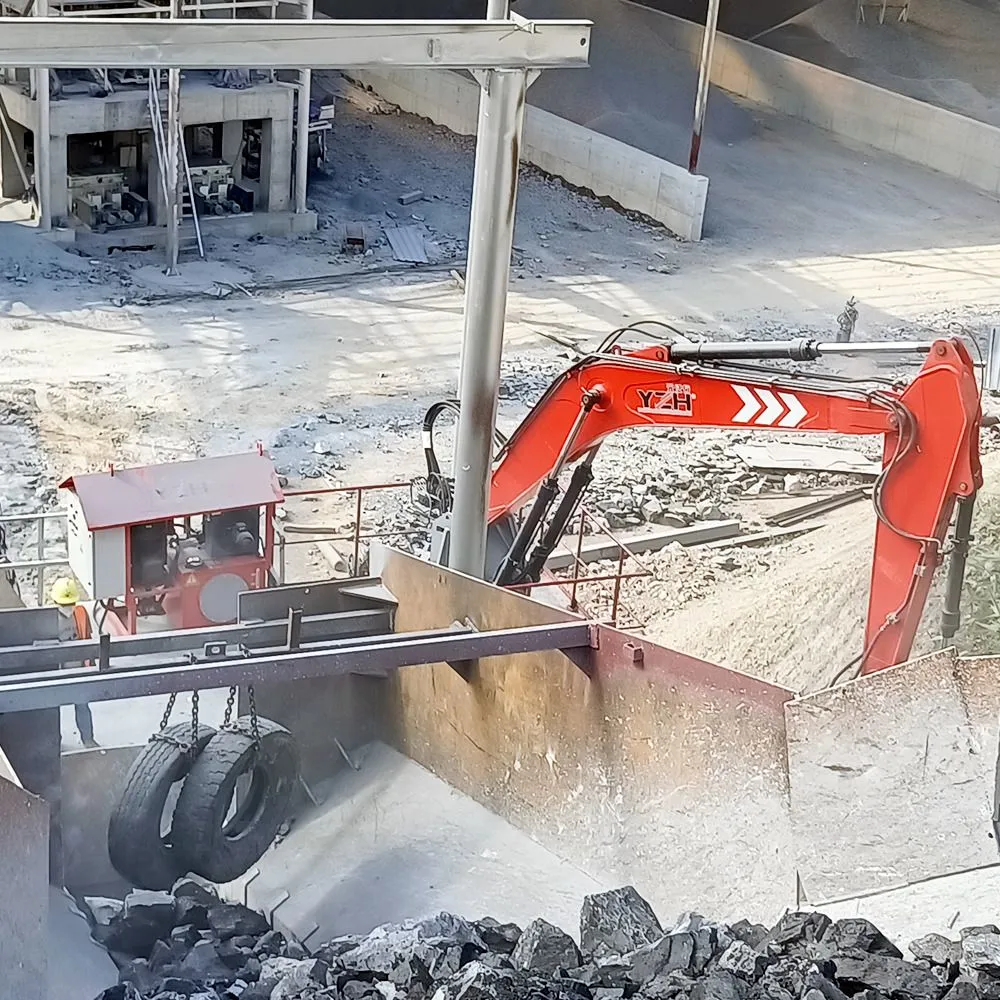
2. How Blockages Damage Crusher Structures
Excessive Mechanical Stress
When material stops flowing, crushers continue to generate force. This creates abnormal load concentrations on:
①Crusher frames
②Jaw assemblies
③Bearings and shaft systems
Repeated stress cycles accelerate metal fatigue and structural deformation.
Vibration and Shock Transmission
Sudden releases of jammed material cause impact shocks that travel through:
①Crusher housings
②Support structures
③Foundations and anchor bolts
Over time, this leads to cracks, loosened fasteners, and alignment issues.
Damage from Unsafe Manual Clearing
Manual clearing using excavators or steel bars often results in:
①Contact damage to crusher liners and frames
②Distorted feed openings
③Serious safety hazards to personnel
This approach exposes both equipment and operators to unnecessary risk.
3. The Hidden Cost of Blockages
The true cost of blockages goes beyond lost production:
①Structural repairs and welding
②Replacement of cracked frames or bearings
③Extended shutdowns and lost revenue
④Increased safety incidents
In severe cases, a single blockage event can result in weeks of downtime.
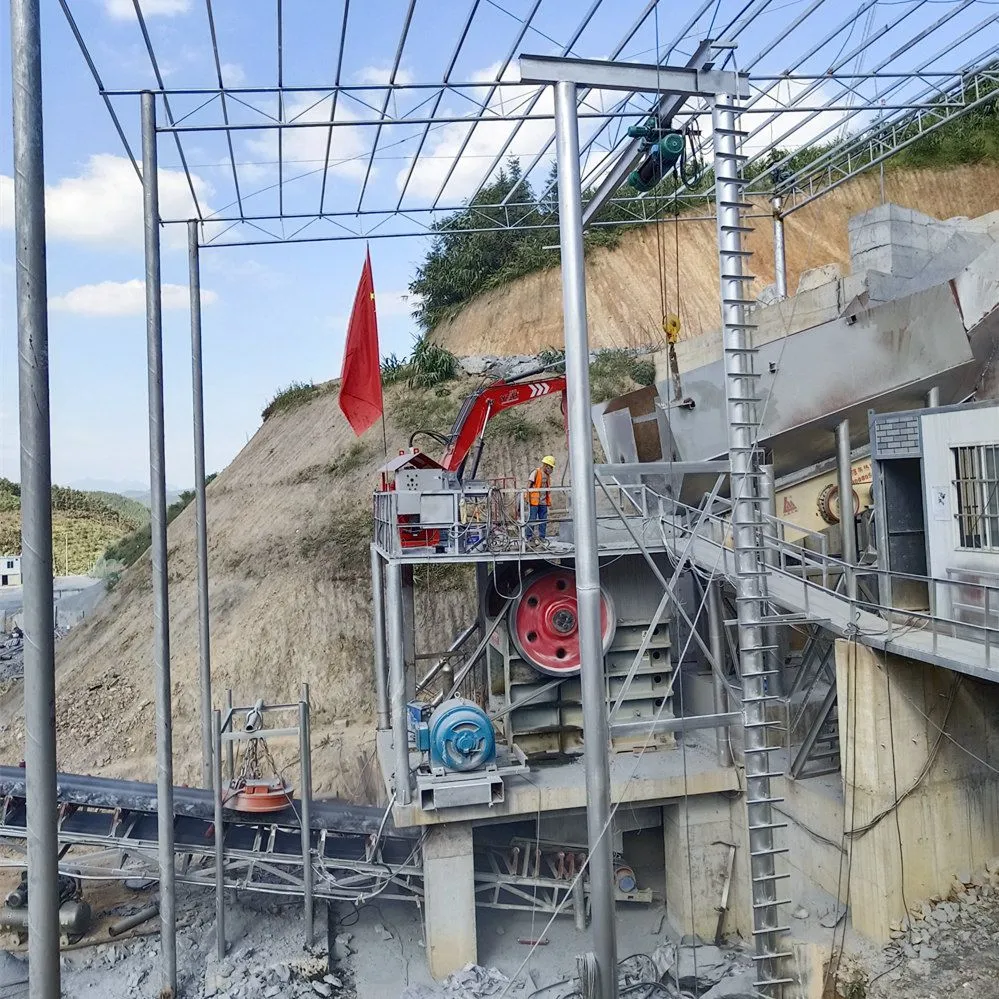
4. How a Rock Breaker Boom System Protects Crushers
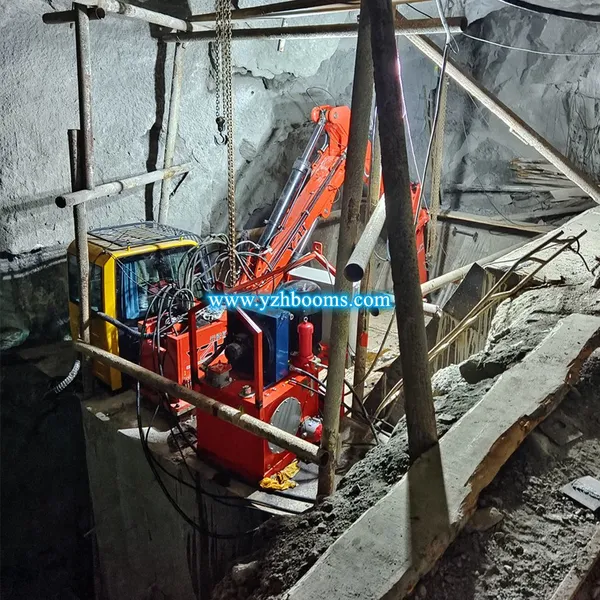
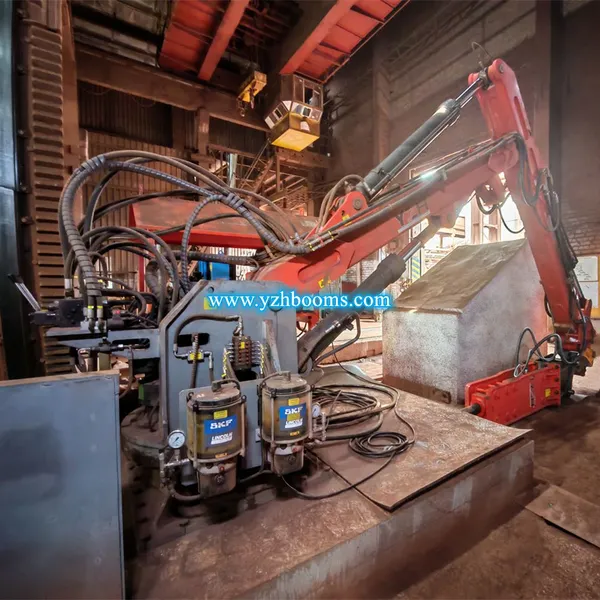
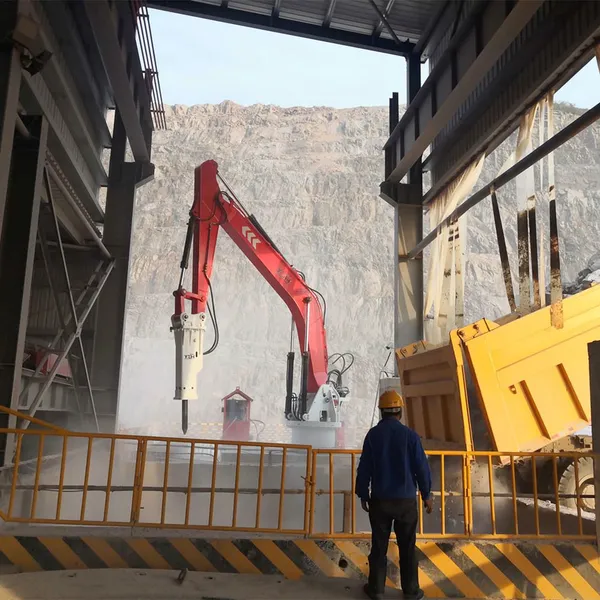
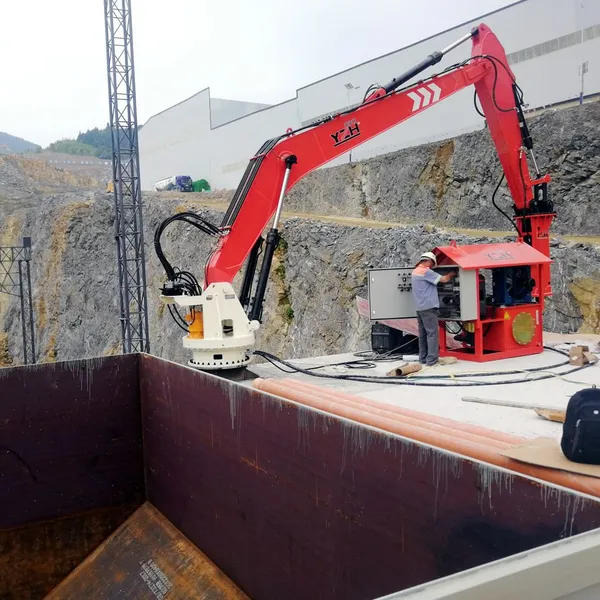
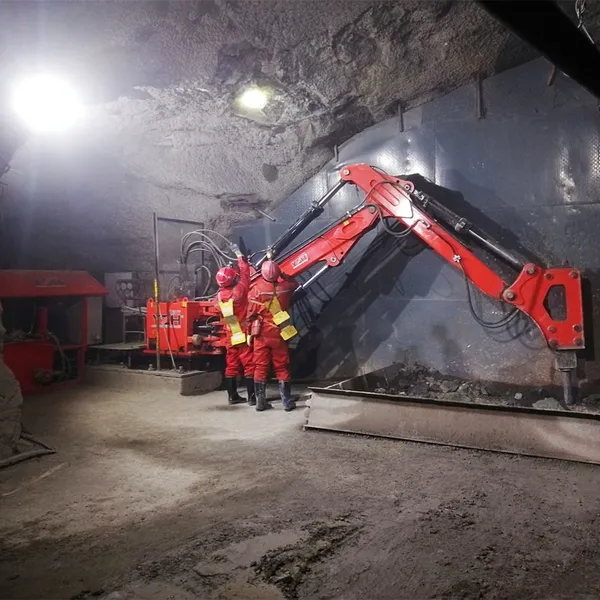
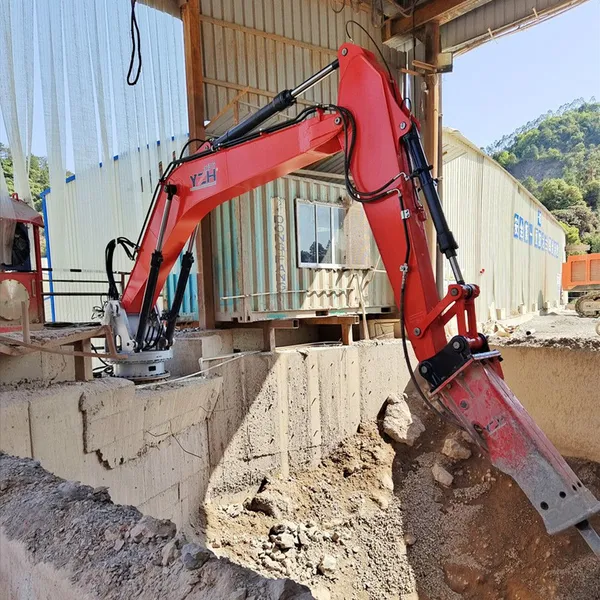
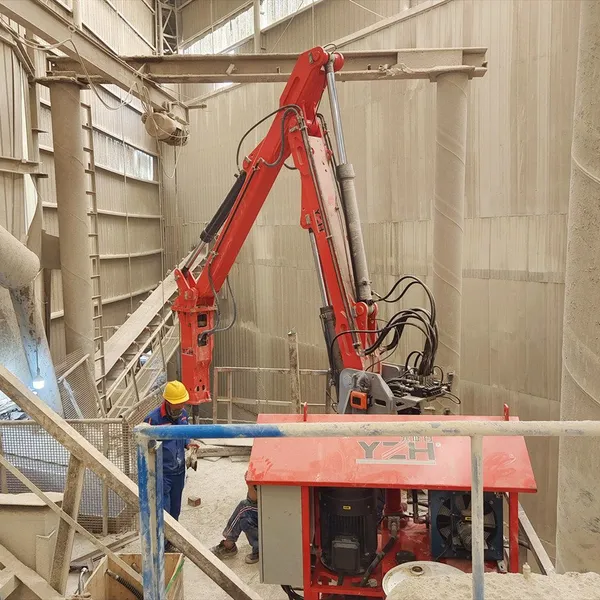
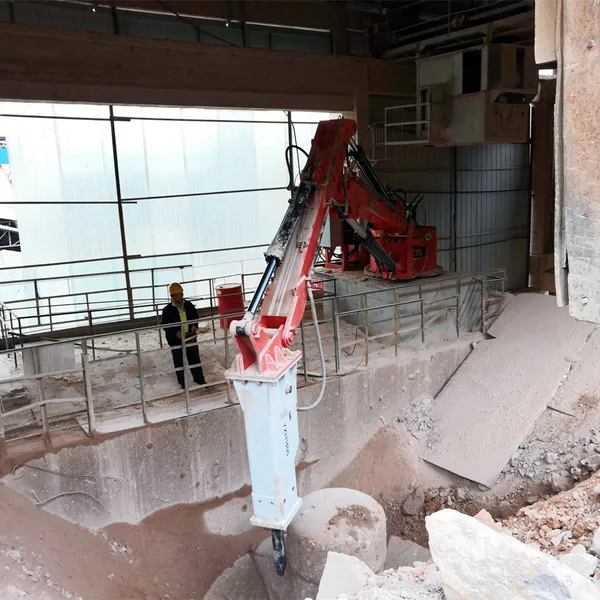
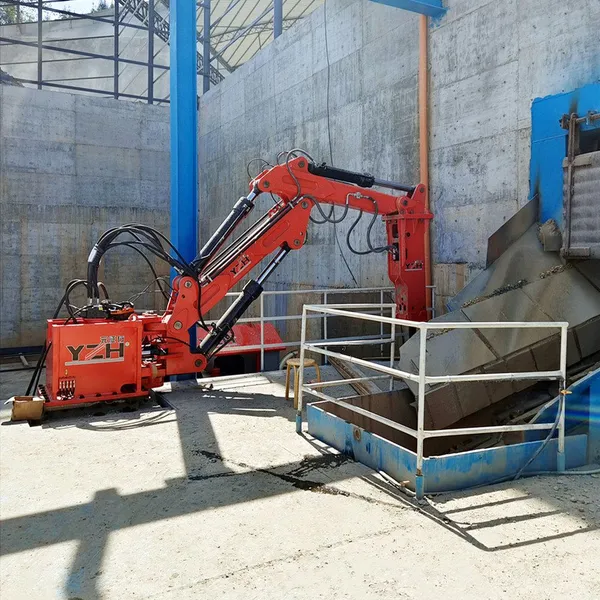
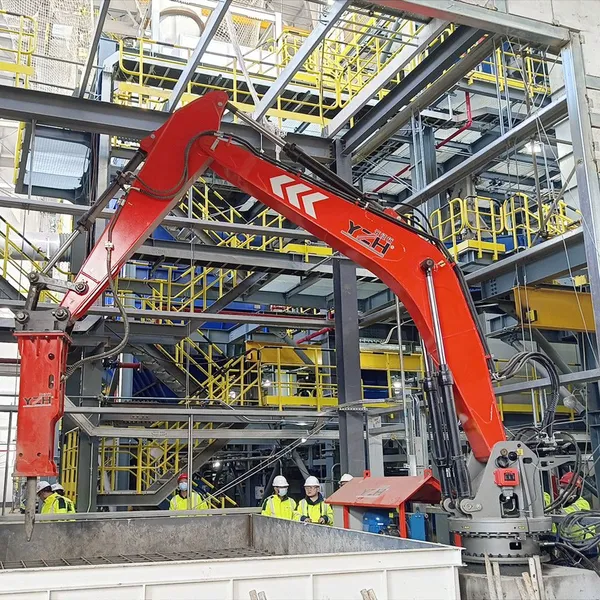
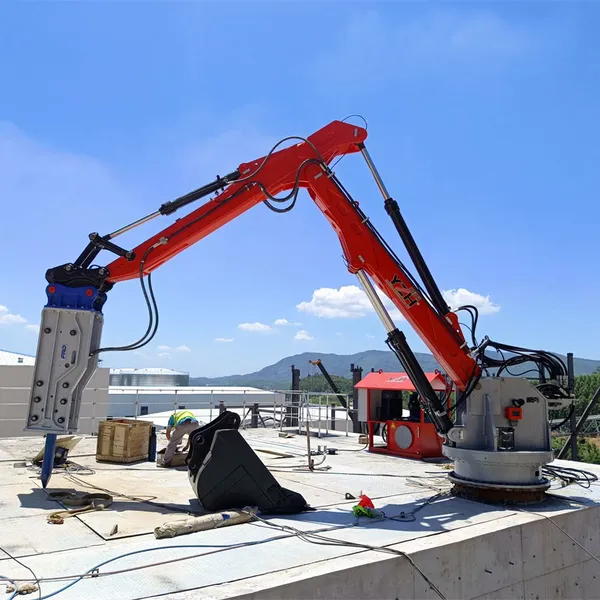
A Rock Breaker Boom System is designed to eliminate blockages before structural damage occurs.
Key protective benefits include:
Controlled, Targeted Breaking
The boom allows operators to break oversized rocks precisely at the source—without applying uncontrolled force to the crusher structure.
Reduced Shock Loads
Hydraulic breakers apply consistent, controlled energy, minimizing impact transmission compared to manual or improvised methods.
Continuous Material Flow
By maintaining uninterrupted feed, the system prevents:
①Overloading
②Sudden release shocks
③Stress accumulation within the crusher
Remote and Safe Operation
Operators can clear blockages from a safe distance, eliminating the need for hazardous manual intervention.
5. Structural Longevity Through Preventive Design
Plants that integrate Rock Breaker Boom Systems experience:
①Longer crusher frame life
②Reduced liner and bearing damage
③Fewer structural inspections and repairs
Instead of reacting to damage, the system enables preventive protection.
6. Integration with Jaw, Cone, and Gyratory Crushers
Rock breaker boom systems are adaptable to:
①Jaw crusher feed openings
②Gyratory crusher dump pockets
③Grizzly stations and feed hoppers
Properly positioned booms ensure full coverage without interfering with crusher operation or maintenance.
Conclusion
Blockages are not just operational interruptions—they are a direct threat to crusher structural integrity and plant safety.
A Rock Breaker Boom System transforms blockage management from a reactive, high-risk task into a controlled, efficient, and protective process. By preventing excessive stress, shock loading, and unsafe clearing methods, it plays a vital role in protecting crushers, extending equipment life, and safeguarding operations.
Recently Posted
-
Sustainability and Energy Efficiency in Modern Rock Breaking
February 6, 2026Sustainability and Energy Efficiency in Modern Rock BreakingHow Pedestal Rock Breaker Boom Systems Support Greener and Smarter Cru Read More
 -
Training Operators for Maximum Efficiency and Safety
February 6, 2026Training Operators for Maximum Efficiency and Safety Why Skill, Not Just Equipment, Determines Rock Breaking PerformanceIn cr Read More
 -
Downtime Cost Analysis: Manual vs. Mechanized Rock Breaking
January 30, 2026Downtime Cost Analysis: Manual vs. Mechanized Rock Breaking Understanding the True Cost of Crusher BlockagesIn crushing opera Read More
 -
Eliminating Manual Intervention Around Crushers
January 29, 2026Eliminating Manual Intervention Around CrushersReducing Human Exposure in High-Risk ZonesIn crushing operations, the most dangerou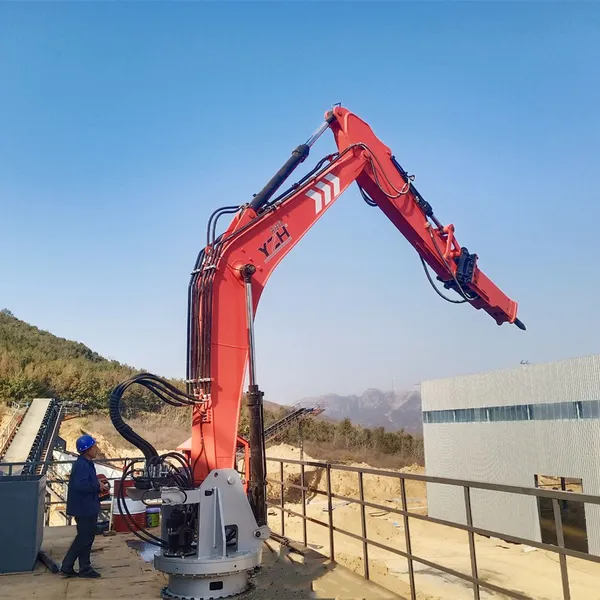 Read More

Contact Us
Recommended Products
-
 YZH Stationary Rock Breaker SystemUS$ 40000 - 80000MOQ: 1 Set
 -
Pedestal Rockbreaker SystemUS$ 40000 - 80000MOQ: 1 Set
-
Stationary Rock Breaker Boom SystemUS$ 40000 - 80000MOQ: 1 Set
-
Pedestal Rock Breaker Boom SystemUS$ 40000 - 80000MOQ: 1 Set
-
Fixed Rock Breaker Boom SystemUS$ 40000 - 80000MOQ: 1 Set